
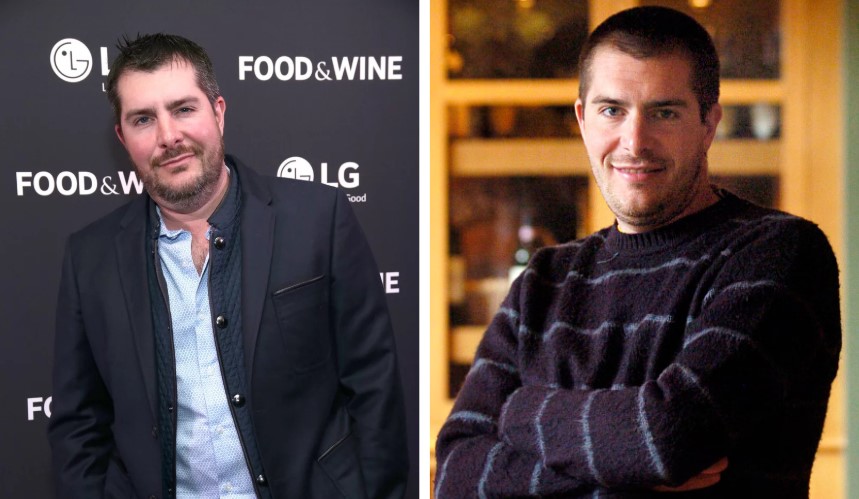
Harold Dieterle made culinary history as the winner of the first season of Top Chef, the cooking competition that helped bring professional chefs into mainstream entertainment. The American chef earned recognition for combining technical skill, thoughtful flavors, and a calm approach under pressure. His victory in 2006 gave him a platform to pursue restaurant ownership and establish his identity beyond reality television. Dieterle later became associated with New York City’s dining scene through restaurants that reflected his interest in inventive cooking and varied culinary influences. Unlike chefs who build their public image mainly through television appearances, he developed much of his reputation through the restaurant business. His career also illustrates the challenges of turning television recognition into a sustainable hospitality venture. From his early culinary ambitions to his Top Chef breakthrough and restaurant projects, Dieterle’s story connects competitive cooking with the realities of running a professional kitchen.
Quick Bio
| Detail | Information |
|---|---|
| Full Name | Harold Dieterle |
| Profession | American chef and restaurateur |
| Nationality | American |
| Known For | Winning the first season of Top Chef |
| Television Breakthrough | Top Chef Season 1, 2006 |
| Culinary Base | New York City restaurant scene |
| Notable Restaurant Projects | Perilla, Kin Shop, and The Marrow |
| Cooking Style | Contemporary American cooking with international influences |
| Birth Date | Not reliably documented in authoritative public sources |
| Birthplace | Not reliably documented in authoritative public sources |
| Education | Culinary training and early career details are not consistently documented in authoritative public biographies |
| Children | Not reliably documented in authoritative public sources |
| Current Public Status | Known for his competitive cooking victory and former New York restaurant ventures |
Who Is Harold Dieterle?
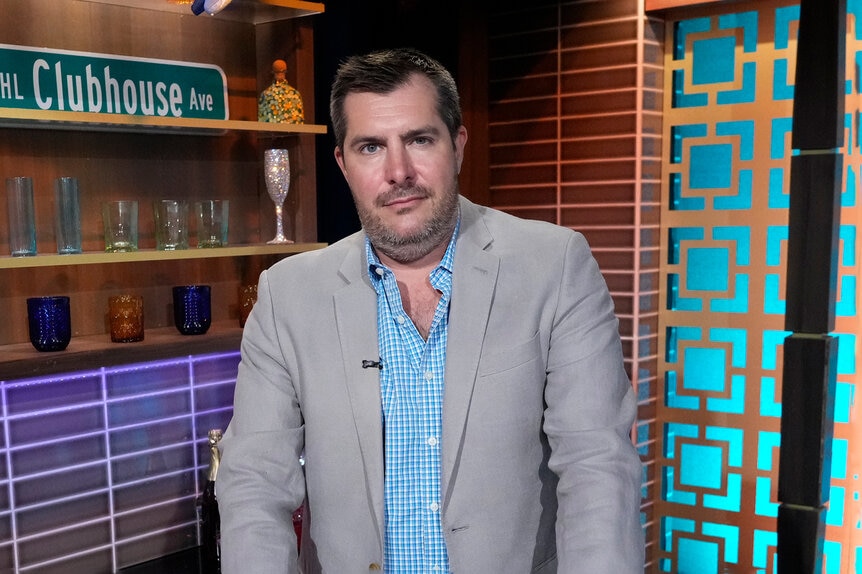
Harold Dieterle is an American chef who became widely known after winning the inaugural season of Top Chef. His victory helped establish him as an early standout in a television format that challenges professional cooks to create dishes under strict time limits and changing conditions.
Dieterle’s significance extends beyond the competition. Winning Top Chef gave him public recognition, but restaurant work remained central to his professional identity. He went on to develop restaurant concepts in New York, where chefs must balance creativity with ingredient costs, staffing, customer expectations, and the pressures of operating a business.
His career offers a useful example of how a television win can open doors without guaranteeing long-term success. Culinary recognition may bring diners through the door, but a restaurant’s future depends on much more than a chef’s public profile. Dieterle’s path included both the excitement of opening acclaimed establishments and the practical realities that eventually affect hospitality businesses.
How Harold Dieterle Won the First Season of Top Chef
Dieterle’s breakthrough came in 2006, when he competed in the first season of Top Chef. The series placed professional chefs in a succession of cooking challenges, asking them to demonstrate creativity, technical ability, and consistency while working under pressure.
He emerged as the season’s winner, beating the other finalists and becoming the show’s first champion. The result gave him a lasting place in the program’s history: every later season followed a format that the original contestants helped introduce to television audiences.
Winning the first season carried a particular kind of visibility. The competition was still establishing its identity, and its champion helped demonstrate how professional cooking could sustain a full season of reality television. For Dieterle, the win became a public credential that could support his next step in the restaurant industry.
However, the title alone does not explain his wider career. The more significant question was how he would use the attention after the cameras stopped rolling. His subsequent restaurant ventures showed that he intended to translate his competitive success into a working culinary business.
What Made Harold Dieterle Stand Out on the Show?
Cooking competitions test more than the ability to make one impressive dish. Contestants must interpret unfamiliar briefs, manage limited time, respond to judges, and maintain standards even when a challenge changes their plans.
Dieterle’s win established him as the first chef to navigate the show’s format successfully. His achievement also gave viewers an early example of a competitor whose professional experience could translate into a television setting.
A chef’s style is often easier to understand through a body of restaurant work than through a single competition. Dieterle’s later projects suggested an interest in cooking that drew on different traditions rather than staying within a narrowly defined menu category. His professional identity developed through the choices he made in the kitchen and the restaurant concepts he pursued.
The show’s victory remains his most recognizable public milestone, but his work as a restaurateur provides a broader view of his ambitions and professional direction.
Harold Dieterle’s Early Life and Culinary Training
Dieterle grew up on Long Island in New York, where family meals helped shape his interest in food. His Italian-American background exposed him to traditional home cooking, including the family gatherings and Sunday meals that later influenced his approach to restaurant cuisine.
His path toward professional cooking became clearer during high school, when he took a home economics class and discovered a genuine interest in preparing food. He eventually attended the Culinary Institute of America in Hyde Park, New York, graduating in 1997.
Formal culinary training gave Dieterle a foundation in technique, kitchen organization, and professional standards. Yet his cooking developed through experience as much as through education. Working in restaurant kitchens exposed him to the demands of service, the discipline required to maintain quality, and the importance of building a menu that works for actual diners.
From Restaurant Kitchens to New York’s Dining Scene
Before Top Chef brought him national attention, Dieterle developed his skills through several restaurant positions. His early career included work at Della Femina in the Hamptons, followed by positions at New York establishments such as Red Bar, 1770 House, and The Harrison.
These experiences helped prepare him for the responsibilities of leading a kitchen. A professional chef must do more than create recipes: the role also involves managing ingredients, coordinating staff, maintaining consistency, and responding quickly when service becomes demanding.
Dieterle spent several years as a sous-chef at The Harrison, gaining experience before setting out to establish his own restaurant. That background is important when considering his later success. Although television introduced him to a much larger audience, he entered the competition with practical experience in professional kitchens rather than relying on television exposure alone.
Perilla: Harold Dieterle’s First Major Restaurant Venture
After winning Top Chef, Dieterle moved toward restaurant ownership. In 2007, he opened Perilla in New York City’s West Village with restaurateur Alicia Nosenzo. The restaurant became a major step in his transition from working chef to chef-owner.
Perilla served contemporary American food shaped by a variety of influences. Rather than confining the menu to one tradition, Dieterle drew on his Italian-American background and his interest in Asian flavors. The result reflected a flexible approach to cooking that allowed familiar ingredients and techniques to meet less conventional combinations.
The restaurant also demonstrated why a chef’s personal point of view matters. A successful menu needs more than technically correct dishes; it must establish an identity that diners can recognize and return to experience. Perilla helped Dieterle build that identity outside the competition format.
For a chef whose name first reached many people through reality television, the restaurant offered a different test of success: earning attention from diners and food critics through the food itself.
Kin Shop and His Interest in Thai Cuisine
Dieterle expanded his restaurant work in 2010 with Kin Shop, a New York restaurant centered on contemporary Thai-inspired cooking. The concept grew from his interest in Thai food and the experience he gained by exploring its ingredients and flavor combinations.
Kin Shop did not simply repeat Perilla’s approach under another name. Its menu gave Dieterle an opportunity to concentrate on a different culinary tradition while interpreting it through his own perspective. He has discussed the importance of learning from cooks and food cultures directly, particularly when working with ingredients and flavors that were less familiar to him earlier in his career.
The restaurant attracted attention for its bold flavors and distinctive menu. It also reflected a broader challenge for chefs who work across culinary traditions: balancing personal creativity with respect for the food that inspires them.
Kin Shop became one of Dieterle’s most prominent restaurant projects. Its eventual closure, however, was a reminder that critical recognition and a chef’s reputation cannot remove the financial and operational pressures that restaurants face.
The Marrow: Bringing Heritage to the Menu
In 2012, Dieterle and his business partner opened The Marrow, another New York restaurant with a concept tied to personal background. Its menu combined Italian and German influences, drawing on Dieterle’s German heritage and his wife Meredith Davies’s Italian heritage.
The restaurant’s approach differed from Kin Shop’s Thai-inspired direction. Instead, The Marrow explored familiar European culinary traditions through a contemporary restaurant format. Meat-focused dishes played an important role in its identity, although the kitchen also worked to offer variety across the menu.
The concept demonstrated Dieterle’s interest in building separate restaurant identities rather than repeating one successful formula. Each establishment gave him a different way to explore ingredients, traditions, and diners’ expectations.
The Marrow closed in 2014, less than two years after opening. Its relatively short run illustrates a central reality of the restaurant industry: even a carefully developed concept and an experienced chef cannot guarantee long-term commercial success.
Why Harold Dieterle Closed His Earlier Restaurants
Dieterle’s restaurant career experienced a significant turning point in 2014 and 2015. The Marrow closed first, followed by Perilla and Kin Shop in late 2015. The closures marked the end of a period in which he had managed several New York restaurant operations.
Running multiple establishments requires substantial attention to staffing, finances, menu development, and daily service. Each restaurant also carries its own identity and operational demands. A chef-owner must divide time between creative work and business responsibilities, and those demands can become difficult to sustain.
Dieterle publicly described stepping away from the restaurant and hospitality business after the closures. It would be misleading to attribute the decision to a single private reason without clear evidence. The documented fact is that the closures ended his earlier group of restaurant ventures and preceded a period away from running restaurants in the same way.
That break also helps explain why his later return attracted interest from people who remembered his work before and after Top Chef.
Harold Dieterle’s Cookbook and Culinary Ideas
Dieterle extended his culinary work into publishing with Kitchen Notebook, his cookbook released in 2014. The book brought together recipes, cooking techniques, and ideas drawn from his professional experience.
A cookbook offers a different way for a chef to communicate with an audience. Restaurant diners experience a finished dish, while readers can study the ingredients and methods behind it. For a chef whose cooking draws on several traditions, that format can also explain how techniques and flavors come together.
Dieterle’s cookbook included a wide range of preparations, reflecting his interest in experimentation and practical kitchen knowledge. Developing a book takes time beyond writing recipes: chefs must test measurements, refine instructions, and make sure the results can work outside a restaurant kitchen.
The project added another dimension to his career. It showed that his work was not limited to television appearances or restaurant ownership; he could also share his approach through a format that home cooks could use.
His Return to the Restaurant Industry
After stepping away from his earlier restaurant group, Dieterle gradually returned to restaurant work. In 2019, he contributed as a consulting chef to Ten Hope, a restaurant project in Brooklyn’s Williamsburg neighborhood. The restaurant later closed in 2023.
His return became more visible in 2024, when he joined Il Totano in Manhattan’s West Village as executive chef. The restaurant focused on coastal Italian cooking and seafood, giving Dieterle another opportunity to work in a professional kitchen after his earlier period away from the restaurant scene.
The return was notable because it placed him back in a role closely connected to the work that had first established his reputation. Instead of treating his television victory as the main event of his career, he continued to engage with menu creation and restaurant cooking.
Restaurant projects can change over time, so past openings should not automatically be presented as current operations. The important point in Dieterle’s story is that his career has included both a break from the industry and a return to hands-on culinary work.
Who Is Top Chef and Why Does the Show Matter to Dieterle’s Story?
Top Chef is a competitive cooking series that brings professional chefs together for challenges designed to test their creativity, technical ability, and performance under pressure. The program helped introduce restaurant chefs to viewers who might otherwise encounter them only through dining reviews or restaurant visits.
Dieterle won its first season in 2006, making him the competition’s inaugural champion. That achievement remains a central part of his public identity because it connected his restaurant experience with a national television audience.
The show helped raise the visibility of chefs as individuals, not just as the people working behind restaurant kitchen doors. For Dieterle, the title created an opportunity to establish his own restaurants and expand his public profile. His later work demonstrates, however, that the competition was a beginning rather than a substitute for the day-to-day responsibilities of a culinary career.
Harold Dieterle’s Personal Life and Marriage

Dieterle married Meredith Davies in September 2010. Their shared interest in food and hospitality forms part of the public account of their relationship, and The Marrow’s combination of Italian and German influences reflected both sides of their heritage.
Beyond those documented details, information about their private life is limited. A professional profile should not assume that public interest in a chef establishes a complete picture of a marriage, family arrangements, or personal circumstances.
Dieterle has generally been more publicly visible through his food and restaurant work than through personal disclosures. As a result, his career provides a clearer basis for understanding his public identity than unverified claims about his family life.
Harold Dieterle’s Net Worth and Business Success
A reliable, independently verified figure for Harold Dieterle’s current net worth is not publicly established. Although his television win, restaurant ventures, cookbook, and later culinary projects indicate a varied professional career, those activities do not reveal his personal wealth.
Restaurant revenue is not the same as a chef’s income. Operating expenses, wages, rent, investment arrangements, taxes, and other costs affect the money a restaurant retains. Likewise, the value of a business cannot automatically be treated as the personal net worth of its chef or owner.
For that reason, specific online estimates should be approached cautiously unless they explain their methodology and rely on dependable financial information. Dieterle’s achievements are easier to document through his competition victory, restaurant history, and culinary projects than through a precise personal wealth figure.
What Is Harold Dieterle Doing Today?
Dieterle’s public career has included restaurant ownership, cookbook writing, consulting work, and a return to executive-chef responsibilities. His work at Il Totano in 2024 marked a notable step back into New York’s restaurant scene after a period away from operating his earlier businesses.
However, a past role or restaurant opening does not automatically establish someone’s exact professional position in October 2026. Without a dependable, current announcement, details about his latest projects or daily activities should be treated cautiously.
What remains clear is the breadth of his career. Dieterle moved from restaurant kitchens to a national cooking competition, developed several distinct restaurant concepts, published a cookbook, stepped away from the business, and later returned to professional cooking.
Conclusion
Harold Dieterle’s story is about more than winning the first season of Top Chef. His culinary training and restaurant experience gave him the foundation for a career that included Perilla, Kin Shop, The Marrow, cookbook writing, and later restaurant projects.
His journey also shows the difference between television recognition and the realities of the hospitality industry. Restaurant openings can bring opportunity, while closures and changes in direction can reshape a chef’s professional path. Dieterle’s return to restaurant work demonstrated that his connection to cooking continued beyond his most famous television achievement.
Although some personal and financial details remain unverified, his public record establishes him as a chef whose career has moved between competition, entrepreneurship, and hands-on kitchen work.
FAQs
Who is Harold Dieterle?
Harold Dieterle is an American chef and restaurateur who won the first season of Top Chef in 2006. He later became known for New York restaurant ventures including Perilla, Kin Shop, and The Marrow.
Did Harold Dieterle win the first season of Top Chef?
Yes. Dieterle won the inaugural season of Top Chef, which aired in 2006. The victory helped introduce his cooking and professional background to a national audience.
What restaurants did Harold Dieterle own or work with?
His best-known restaurant ventures include Perilla, Kin Shop, and The Marrow in New York City. He later contributed to Ten Hope and returned to restaurant work at Il Totano in 2024.
What type of food does Harold Dieterle cook?
Dieterle’s work draws on contemporary American cooking and influences from several culinary traditions. His restaurant projects have included Asian-inspired flavors, Thai cuisine, and Italian-German combinations.
Is Harold Dieterle married?
Public accounts report that Dieterle married Meredith Davies in September 2010. Detailed information about their private life is limited, so additional claims about their family circumstances should be treated cautiously.
What is Harold Dieterle’s net worth?
His current net worth has not been established by an authoritative public source. Restaurant ownership and television success do not, by themselves, provide enough information to calculate a reliable personal wealth figure.
What happened to Harold Dieterle after Top Chef?
After winning, Dieterle opened restaurants, published Kitchen Notebook, and later stepped away from his earlier restaurant group. He subsequently returned to restaurant work, including his executive-chef role at Il Totano in 2024.
For More Updates Visit: Glimply